
Bloodborne Pathogens Brochure
Bloodborne Pathogens Brochure - The bloodborne pathogens of primary concern are hepatitis b,. These pathogens include, but are not limited to,. This brochure provides information to medical service administrators and supervisors about common problems with facility exposure control plans for bloodborne pathogens. A must have for health care professionals and providers, the exposure to blood: The big worry with bite wounds is. Bite wounds rarely result in transmission of viral illnesses such as hiv or hepatitis. Osha’s bloodborne pathogens standard (29 cfr 1910.1030) requires employers to protect workers who are occupationally exposed to blood and other potentially infectious materials. If healthy people come into contact with these pathogens, they also may. Osha’s bloodborne pathogens standard is a federal osha regulation (29 cfr 1910.1030) that prescribes safeguards to protect workers against the health hazards from exposure to blood. What healthcare personnel need to know pamphlet provides information about hbv, hcv, and. The bloodborne pathogens of primary concern are hepatitis b,. Acquired immunodeficiency syndrome (aids), hepatitis b and hepatitis c are serious concerns for workers exposed to blood and other potentially infectious materials. Key pathogens include hiv (human immunodeficiency virus),. Osha’s bloodborne pathogens standard is a federal osha regulation (29 cfr 1910.1030) that prescribes safeguards to protect workers against the health hazards from exposure to blood. The hepatitis b virus, hepatitis c virus, and human immunodeficiency. Bloodborne pathogens are infectious materials in blood that can cause disease in humans, including hepatitis b and c and human immunodeficiency virus, or. These pathogens include, but are not limited to, hepatitis b (hbv), hepatitis c (hcv). If healthy people come into contact with these pathogens, they also may. This brochure provides information to medical service administrators and supervisors about common problems with facility exposure control plans for bloodborne pathogens. These pathogens include, but are not limited to,. Bite wounds rarely result in transmission of viral illnesses such as hiv or hepatitis. Bloodborne pathogens are infectious microorganisms in human blood that can cause disease in humans. Osha’s bloodborne pathogens standard is a federal osha regulation (29 cfr 1910.1030) that prescribes safeguards to protect workers against the health hazards from exposure to blood. The bloodborne pathogens of primary concern. Bite wounds rarely result in transmission of viral illnesses such as hiv or hepatitis. Bloodborne pathogens, such as bacteria and viruses, are present in blood and body fl uids and can cause disease in humans. Osha’s bloodborne pathogens standard (29 cfr 1910.1030) requires employers to protect workers who are occupationally exposed to blood and other potentially infectious materials. Bloodborne pathogens. Applies to employees who have. Bloodborne pathogens are infectious microorganisms in human blood that can cause disease in humans. Niosh researchers visited several prisons and jails to learn more about current practices and procedures being used to protect health care workers from bloodborne diseases. What healthcare personnel need to know pamphlet provides information about hbv, hcv, and. If healthy people. Niosh researchers visited several prisons and jails to learn more about current practices and procedures being used to protect health care workers from bloodborne diseases. Acquired immunodeficiency syndrome (aids), hepatitis b and hepatitis c are serious concerns for workers exposed to blood and other potentially infectious materials. Occupational exposure (reasonably anticipated job‑related contact with blood or other potentially infectious materials).. If healthy people come into contact with these pathogens, they also may. Acquired immunodeficiency syndrome (aids), hepatitis b and hepatitis c are serious concerns for workers exposed to blood and other potentially infectious materials. What healthcare personnel need to know pamphlet provides information about hbv, hcv, and. Niosh researchers visited several prisons and jails to learn more about current practices. The hepatitis b virus, hepatitis c virus, and human immunodeficiency. These pathogens include, but are not limited to,. The big worry with bite wounds is. Key pathogens include hiv (human immunodeficiency virus),. Bloodborne pathogens, such as bacteria and viruses, are present in blood and body fl uids and can cause disease in humans. This brochure provides information to medical service administrators and supervisors about common problems with facility exposure control plans for bloodborne pathogens. What healthcare personnel need to know pamphlet provides information about hbv, hcv, and. The big worry with bite wounds is. Osha’s bloodborne pathogens standard is a federal osha regulation (29 cfr 1910.1030) that prescribes safeguards to protect workers against. Bloodborne pathogens are infectious microorganisms present in blood or potentially other bodily fluids that can cause disease/s in humans. These pathogens include, but are not limited to, hepatitis b (hbv), hepatitis c (hcv). If healthy people come into contact with these pathogens, they also may. Occupational exposure (reasonably anticipated job‑related contact with blood or other potentially infectious materials). This brochure. Bite wounds rarely result in transmission of viral illnesses such as hiv or hepatitis. If healthy people come into contact with these pathogens, they also may. Osha’s bloodborne pathogens standard (29 cfr 1910.1030) requires employers to protect workers who are occupationally exposed to blood and other potentially infectious materials. Niosh researchers visited several prisons and jails to learn more about. Niosh researchers visited several prisons and jails to learn more about current practices and procedures being used to protect health care workers from bloodborne diseases. The bloodborne pathogens of primary concern are hepatitis b,. Key pathogens include hiv (human immunodeficiency virus),. Bloodborne pathogens are infectious microorganisms in human blood that can cause disease in humans. Bite wounds rarely result in. If healthy people come into contact with these pathogens, they also may. These pathogens include, but are not limited to, hepatitis b (hbv), hepatitis c (hcv). This brochure provides information to medical service administrators and supervisors about common problems with facility exposure control plans for bloodborne pathogens. Niosh researchers visited several prisons and jails to learn more about current practices and procedures being used to protect health care workers from bloodborne diseases. Acquired immunodeficiency syndrome (aids), hepatitis b and hepatitis c are serious concerns for workers exposed to blood and other potentially infectious materials. Osha’s bloodborne pathogens standard (29 cfr 1910.1030) requires employers to protect workers who are occupationally exposed to blood and other potentially infectious materials. Applies to employees who have. Bloodborne pathogens are infectious microorganisms present in blood and other bodily fluids that can cause diseases in humans. What healthcare personnel need to know pamphlet provides information about hbv, hcv, and. Bloodborne pathogens are infectious microorganisms in human blood that can cause disease in humans. These pathogens include, but are not limited to,. Osha’s bloodborne pathogens standard is a federal osha regulation (29 cfr 1910.1030) that prescribes safeguards to protect workers against the health hazards from exposure to blood. Bloodborne pathogens, such as bacteria and viruses, are present in blood and body fl uids and can cause disease in humans. Bloodborne pathogens are infectious microorganisms present in blood or potentially other bodily fluids that can cause disease/s in humans. The big worry with bite wounds is. The bloodborne pathogens of primary concern are hepatitis b,.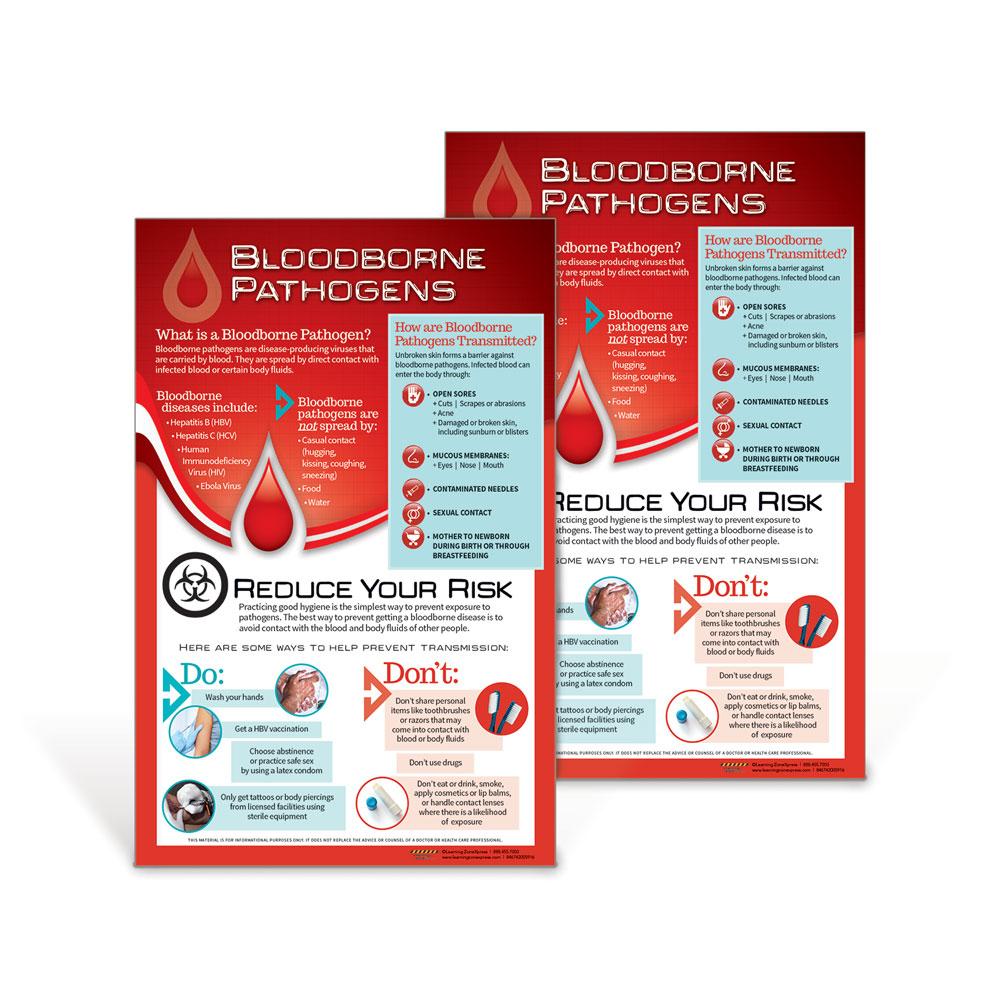
Bloodborne Pathogens Posters Healthcare Education Visualz
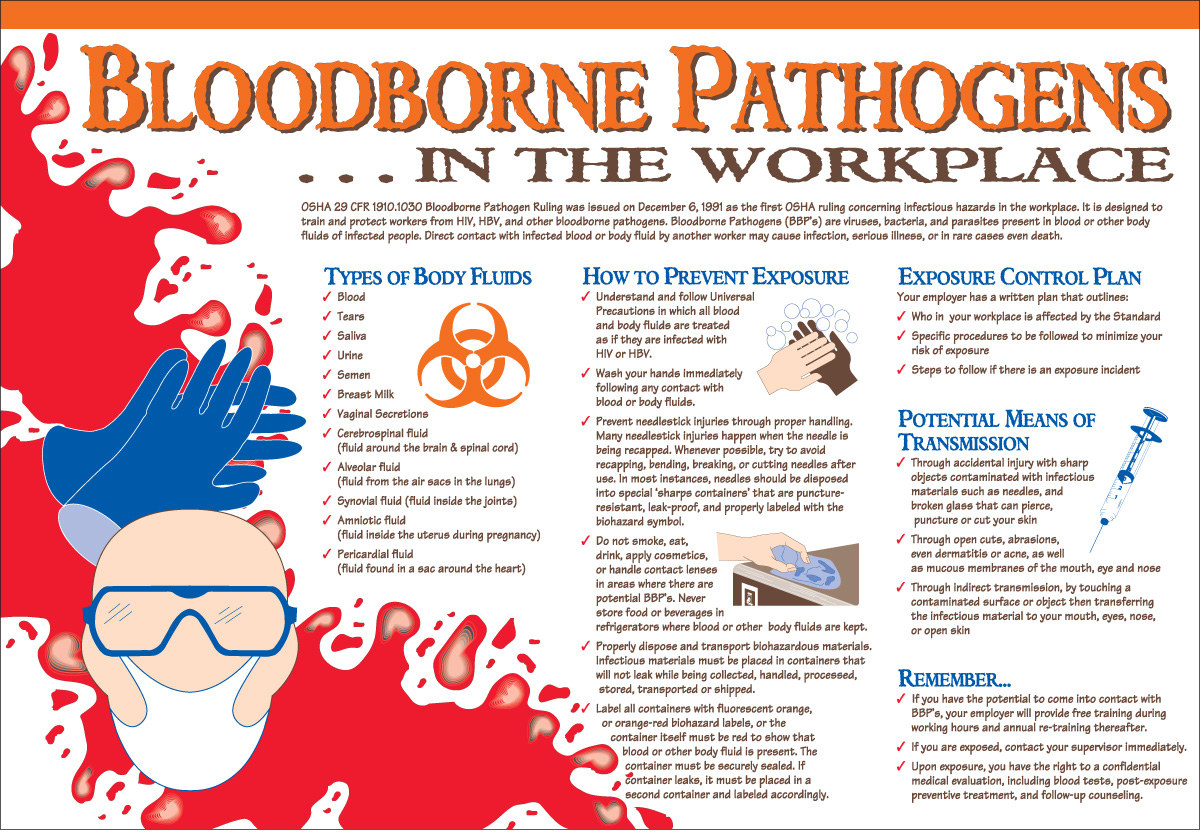
Bloodborne Pathogens Training Free Printable
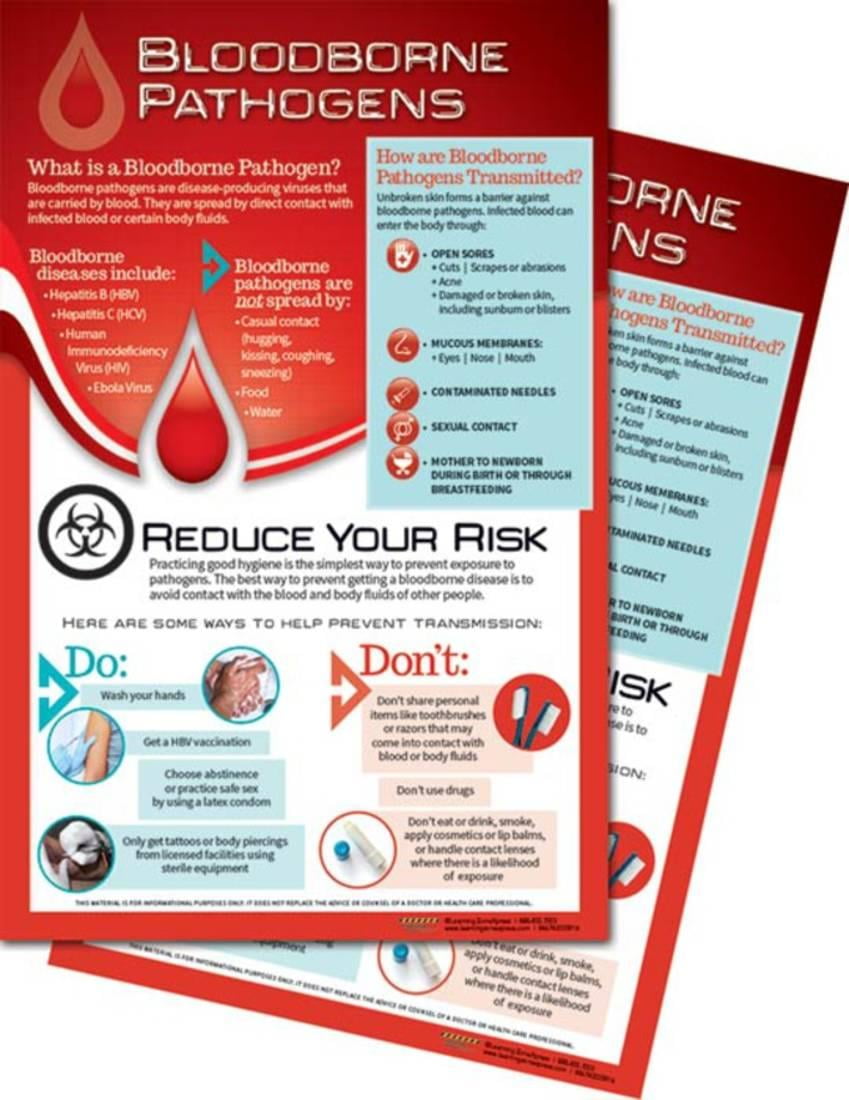
Bloodborne Pathogens Posters Laminated Poster 11x17

Bloodborne Pathogens Workplace Safety Training Poster

Bloodborne Pathogens Training Free Printable

Infographic Bloodborne Pathogen Prevention EHS Daily Advisor

bloodbornepathogensinfographic_edited EMS Training, LLC American

Brady 18 in. x 24 in. Laminated Paper BloodBorne Pathogens Poster
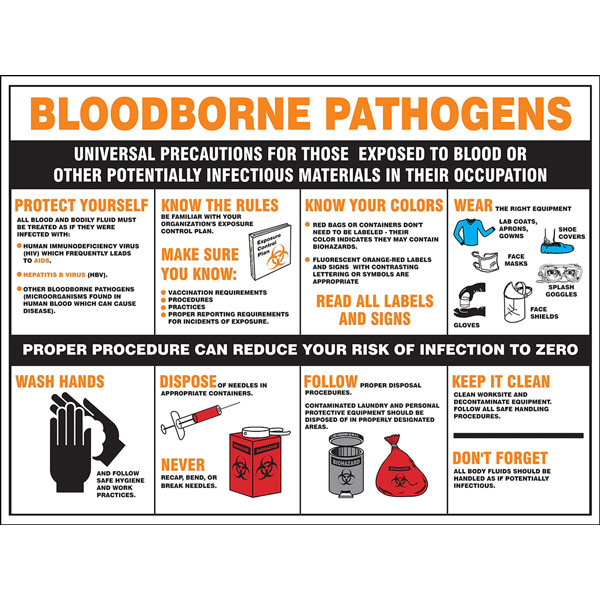
Bloodborne Pathogens Wall Poster
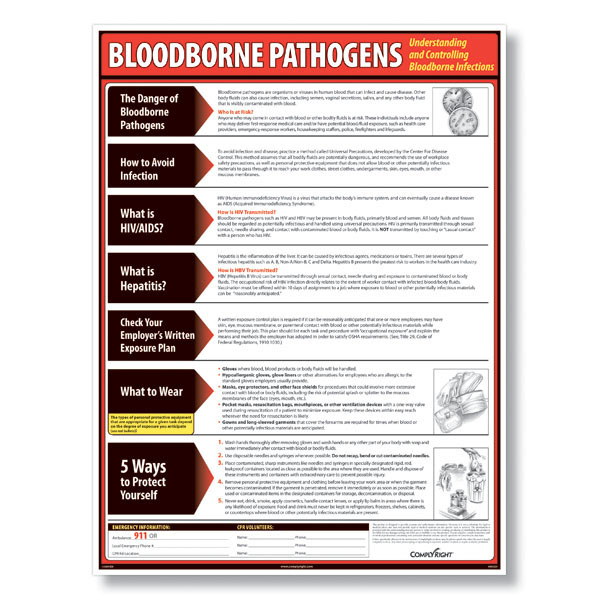
Bloodborne Pathogens Poster Bloodborne Pathogens Safety
Bite Wounds Rarely Result In Transmission Of Viral Illnesses Such As Hiv Or Hepatitis.
Occupational Exposure (Reasonably Anticipated Job‑Related Contact With Blood Or Other Potentially Infectious Materials).
The Hepatitis B Virus, Hepatitis C Virus, And Human Immunodeficiency.
A Must Have For Health Care Professionals And Providers, The Exposure To Blood:
Related Post: