
Pap Smear Brochure
Pap Smear Brochure - An hpv test looks for infection with the types of hpv that are linked to cervical cancer. Identify hpv 31 riskpersonalized managementidentify hpv genotypes The hpv test looks for the virus (human. The cervix is the opening to the uterus or womb and is at the top of the vagina. If you are younger than 21—you do not. The pap test, also called the pap smear, is a cervical cancer screening test. The test also looks for early changes that may need treatment so that cancer never gets a chance to develop. The pap test (or pap smear) looks for precancers, cell changes on the cervix that might become cervical cancer if not appropriately treated. It explains when to get screened and next steps after a normal or abnormal pap or human papillomavirus (hpv) test result. If pap smear normal, your doctor will recommend how often you should be tested based on your risk factors for cervical cancer. What is a pap smear? A pap test is a procedure used to collect cells from the cervix (lower part of the uterus) so they can be looked at closely in a lab under a microscope. The test can detect abnormal cells in your cervix before they become cancerous. What is a pap test? Anyone with a cervix who is sexually active or age 21 and older should get a routine test. A pap test of the vagina may also be done. The hpv test looks for the virus (human. If you are younger than 21—you do not. The pap smear checks for changes in the cells of your cervix. If pap smear normal, your doctor will recommend how often you should be tested based on your risk factors for cervical cancer. A pap test checks for cell changes on the cervix. What is pap smear screening for? The test also looks for early changes that may need treatment so that cancer never gets a chance to develop. What is a pap smear? It explains when to get screened and next steps after a normal or abnormal pap or human papillomavirus (hpv). The american college of obstetricians and gynecologists (acog) has updated the pap smear guidelines to help women make informed decisions about their health. The pap test (or pap smear) looks for precancers, cell changes on the cervix that might become cervical cancer if they are not treated appropriately. Who should get a pap smear? Talk to your doctor to see. Cervical cancer screening most often includes pap smear screening and sometimes includes human papillomavirus (hpv) testing. What is cervical cancer screening? The papanicolaou test, otherwise known as a “pap test” or “pap smear,” is used to screen for cervical cancer. Va ofers comprehensive cervical cancer screening services to veterans with a cervix who are enrolled in va health care. It. The cervix is the opening to the uterus or womb and is at the top of the vagina. It is not used to detect other kinds of cancer. Routine pap smear is recommended The test also looks for early changes that may need treatment so that cancer never gets a chance to develop. Va ofers comprehensive cervical cancer screening services. What is pap smear screening for? An hpv primary test — one without a pap smear or cytology — should be performed every five years for women aged 25 to 65. The test also looks for early changes that may need treatment so that cancer never gets a chance to develop. The cervix is found at the top. Cervix screening. Va ofers comprehensive cervical cancer screening services to veterans with a cervix who are enrolled in va health care. The test can detect abnormal cells in your cervix before they become cancerous. Cervix screening involves a test called a pap test that can find abnormal cells in the cervix before they become cancer. Anyone with a cervix who is sexually. A pap test is a procedure used to collect cells from the cervix (lower part of the uterus) so they can be looked at closely in a lab under a microscope. Pap and hpv tests are available directly through your va women’s. What is pap smear screening for? If pap smear normal, your doctor will recommend how often you should. A pap test of the vagina may also be done. The document provides information about pap smears, including what a pap smear is, why they are important, who should get them, how often, how they are performed, and what to do if. The pap test (or pap smear) is a test that looks for cervical cancer. It is done in. What is cervical cancer screening? 5/5 (10k reviews) A pap test checks for cell changes on the cervix. The american college of obstetricians and gynecologists (acog) has updated the pap smear guidelines to help women make informed decisions about their health. What is a pap smear? The pap test, also called the pap smear, is a cervical cancer screening test. The cervix is found at the top. It explains when to get screened and next steps after a normal or abnormal pap or human papillomavirus (hpv) test result. The document provides information about pap smears, including what a pap smear is, why they are important, who. If you are younger than 21—you do not. If pap smear normal, your doctor will recommend how often you should be tested based on your risk factors for cervical cancer. It is not used to detect other kinds of cancer. The pap test (or pap smear) looks for precancers, cell changes on the cervix that might become cervical cancer if not appropriately treated. Cervical cancer screening most often includes pap smear screening and sometimes includes human papillomavirus (hpv) testing. A pap test is a procedure used to collect cells from the cervix (lower part of the uterus) so they can be looked at closely in a lab under a microscope. It is done in a doctor’s office or a clinic. During a pap smear, cells are collected. What is cervical cancer screening? Va ofers comprehensive cervical cancer screening services to veterans with a cervix who are enrolled in va health care. This guide helps you learn about cervical cancer screening. The test can detect abnormal cells in your cervix before they become cancerous. The american college of obstetricians and gynecologists (acog) has updated the pap smear guidelines to help women make informed decisions about their health. What is a pap test? An hpv primary test — one without a pap smear or cytology — should be performed every five years for women aged 25 to 65. It explains when to get screened and next steps after a normal or abnormal pap or human papillomavirus (hpv) test result.:max_bytes(150000):strip_icc()/3132772_color1-5bc49ccdc9e77c0052898697.png)
Pap Smear Purpose, Frequency, Results, and More
Reminder for women Regular PAP smear tests can be life saving. The Pap
Leaflet Pap Smear PDF

PAP Smear Test after 30 years Preparation & Procedure
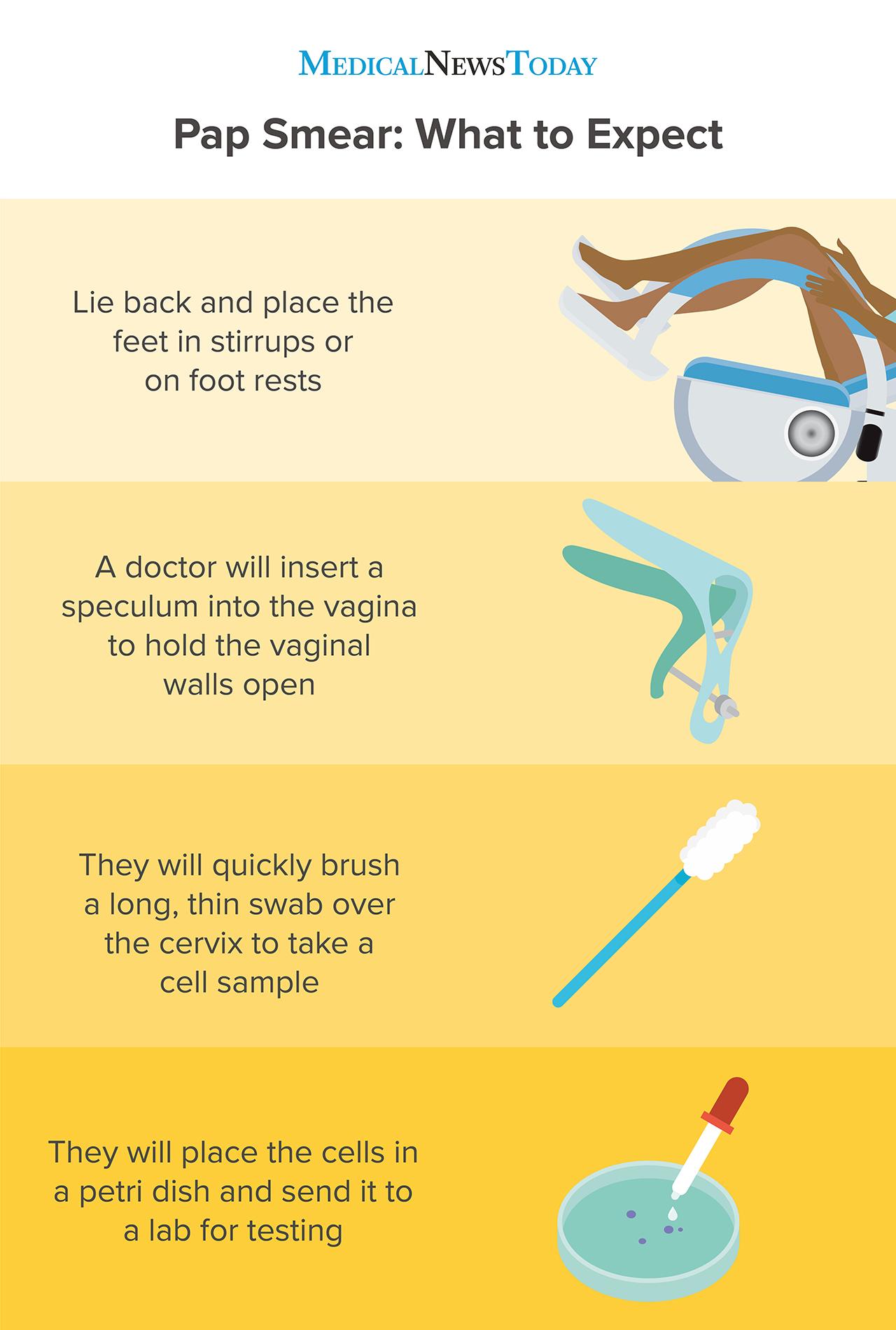
Pap smear What is it, what happens, and results
Pap Smear Brochure PDF PDF Cervical Cancer Clinical Medicine

MEDLIFE Stories Women's Health Cervical Cancer and Pap Smear Exams in
Brosur Pap Smear PDF
Leaflet Pap Smear PDF

NO FEAR Pap Smear Guide CANSA The Cancer Association of South
What Is A Pap Smear?
Pap Smears Test The Cells Of The Cervix For Signs Of.
Pap Smears Are A Lifesaving Screening Tool For Cervical Cancer.
The Pap Test Is A Cervical Cancer Screening Procedure That Can Detect Abnormal Cells That May Become Cancerous On The Cervix.
Related Post:


