
What Paper Is Used To Print Brochures
What Paper Is Used To Print Brochures - Brochure design transforms basic information into compelling visual storytelling.it’s where print marketing materials meet strategic communication. Which paper you use for your brochures has an impact on design, weight, the overall quality of the finished product and the most significant aspect: Whether you're printing a report, a brochure, a book, or any other type of document, it's important to choose the right paper for the job. Glossy art paper is a popular choice for brochure printing. However, a comprehensive understanding of paper weight, finish, and brochure size is essential to find the right paper for your brochure. When you talk about brochure paper, you’re really talking about two things: The most common weights for brochures/leaflets/flyers would be 130 to. Coated paper is most often used for: Choosing the best paper for printing brochures depends on your specific needs, including the brochure's purpose, desired aesthetics, and budget. Luckily for you, we have a list of the best paper weights to use. Dive into our comprehensive guide, exploring paper types, finishes, and weights. Typically, there are two types available. The paper is covered with a layer of coating, which can be. Coated paper is most often used for: What kind of paper to use for brochures? It can run as low as 50 lbs (regular. We recommend that brochures be printed on a gloss coated 100 text weight paper for best results. Brochure design transforms basic information into compelling visual storytelling.it’s where print marketing materials meet strategic communication. Most people prefer to use text paper as their paper of choice for brochures and flyers, as text paper is a thicker, sturdier form of cardstock. Brochures, sell sheets, maps, menus and flyers can all benefit from using the right paper for the job. Whether you're printing a report, a brochure, a book, or any other type of document, it's important to choose the right paper for the job. Whether you opt for glossy,. Here are the three most popular types of paper that you can use for brochure printing: Your complete guide to choosing the best paper types for printing at alphagraphics brentwood.. Discover the best paper types for brochure printing. Most people prefer to use text paper as their paper of choice for brochures and flyers, as text paper is a thicker, sturdier form of cardstock. Generally, paper for brochures should be between 130 and 200 gsm, which is between copier paper and card stock. Your complete guide to choosing the best. It comes in 150 sheets per. The most common weights for brochures/leaflets/flyers would be 130 to. Whether you opt for glossy,. Generally, paper for brochures should be between 130 and 200 gsm, which is between copier paper and card stock. Coated paper is most often used for: Discover the art of choosing the perfect paper for brochure printing! Coated paper is one of the most popular choices for business printing, especially for marketing materials like brochures and flyers. What kind of paper to use for brochures? As we explored, paper type directly. Luckily for you, we have a list of the best paper weights to use. Which paper you use for your brochures has an impact on design, weight, the overall quality of the finished product and the most significant aspect: Your complete guide to choosing the best paper types for printing at alphagraphics brentwood. We recommend that brochures be printed on a gloss coated 100 text weight paper for best results. Here are the three. Discover the art of choosing the perfect paper for brochure printing! It can run as low as 50 lbs (regular. Dive into our comprehensive guide, exploring paper types, finishes, and weights. When you talk about brochure paper, you’re really talking about two things: Here are the three most popular types of paper that you can use for brochure printing: The most common weights for brochures/leaflets/flyers would be 130 to. Choosing the best paper for printing brochures depends on your specific needs, including the brochure's purpose, desired aesthetics, and budget. Dive into our comprehensive guide, exploring paper types, finishes, and weights. The paper is thin and so effective for lots of pages which are low cost and don't need to. Which paper you use for your brochures has an impact on design, weight, the overall quality of the finished product and the most significant aspect: Discover the art of choosing the perfect paper for brochure printing! Everything you need to know to choose paper for your printed brochure. Brochure design transforms basic information into compelling visual storytelling.it’s where print marketing. Glossy art paper is a popular choice for brochure printing. Your complete guide to choosing the best paper types for printing at alphagraphics brentwood. If you’re wondering about the best type of paper for brochures, the easy answer is that most brochures will look and feel good when. Which paper you use for your brochures has an impact on design,. Learn which paper weight to choose and whether a gloss, matte or uncoated paper is the best choice. The paper is thin and so effective for lots of pages which are low cost and don't need to last long. Whether you opt for glossy,. Alternatively, uncoated paper doesn’t have a layer covering the natural fibers, making it more. Which paper. Glossy art paper is a popular choice for brochure printing. If you’re wondering about the best type of paper for brochures, the easy answer is that most brochures will look and feel good when. Most people prefer to use text paper as their paper of choice for brochures and flyers, as text paper is a thicker, sturdier form of cardstock. Brochure design transforms basic information into compelling visual storytelling.it’s where print marketing materials meet strategic communication. Discover the best paper types for brochure printing. Generally, paper for brochures should be between 130 and 200 gsm, which is between copier paper and card stock. As we explored, paper type directly. When you talk about brochure paper, you’re really talking about two things: 90 gsm is a typical paper for. The most common weights for brochures/leaflets/flyers would be 130 to. The types of paper for printing your brochure are also. Discover the art of choosing the perfect paper for brochure printing! Brochures, sell sheets, maps, menus and flyers can all benefit from using the right paper for the job. Whether you're printing a report, a brochure, a book, or any other type of document, it's important to choose the right paper for the job. You can also use 80 lb or 100 lb. Which paper you use for your brochures has an impact on design, weight, the overall quality of the finished product and the most significant aspect: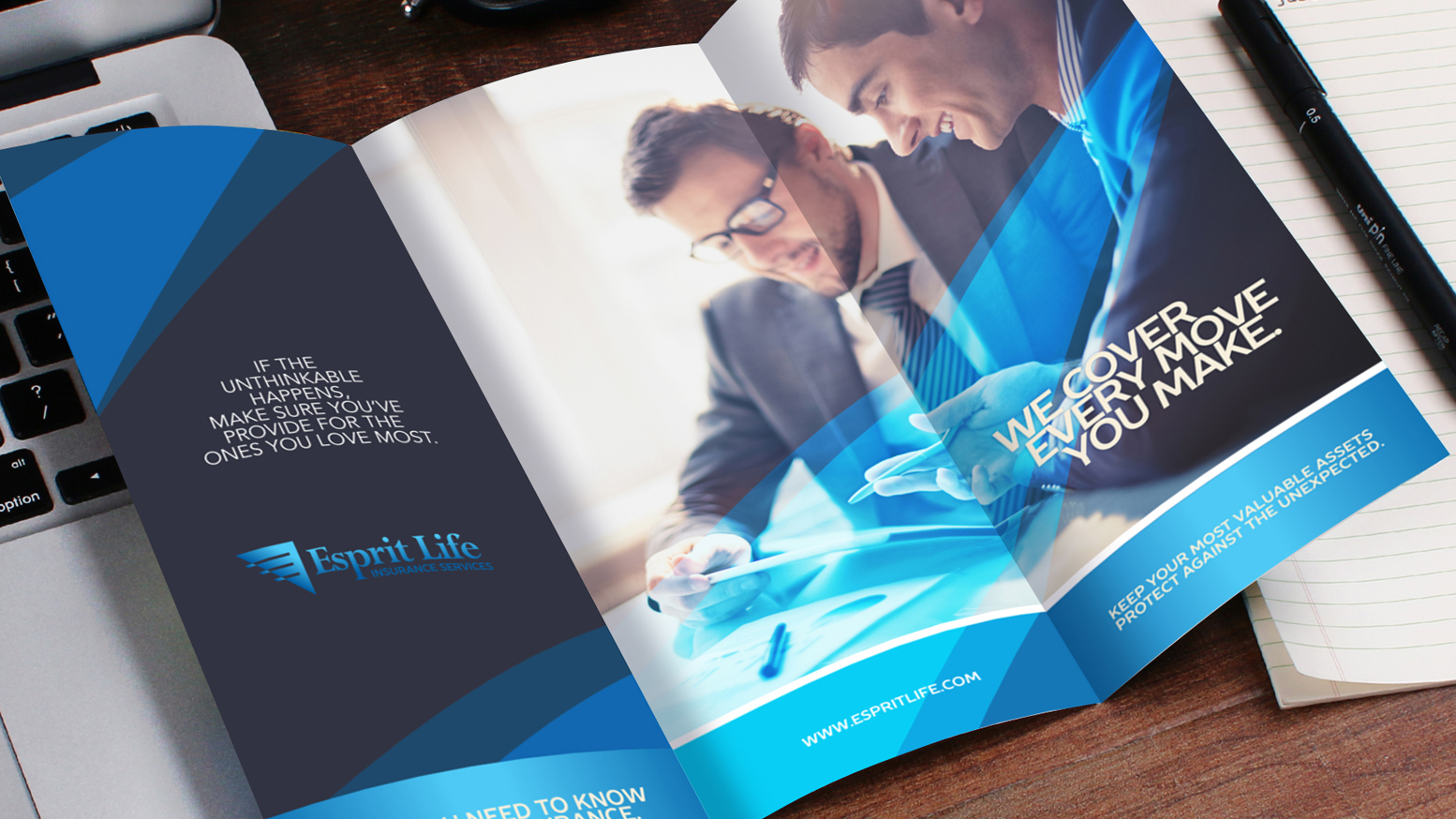
The Ultimate Brochure Paper Guide Confusing Terms Explained
Best Brochure Printer at Joyce Hatchett blog
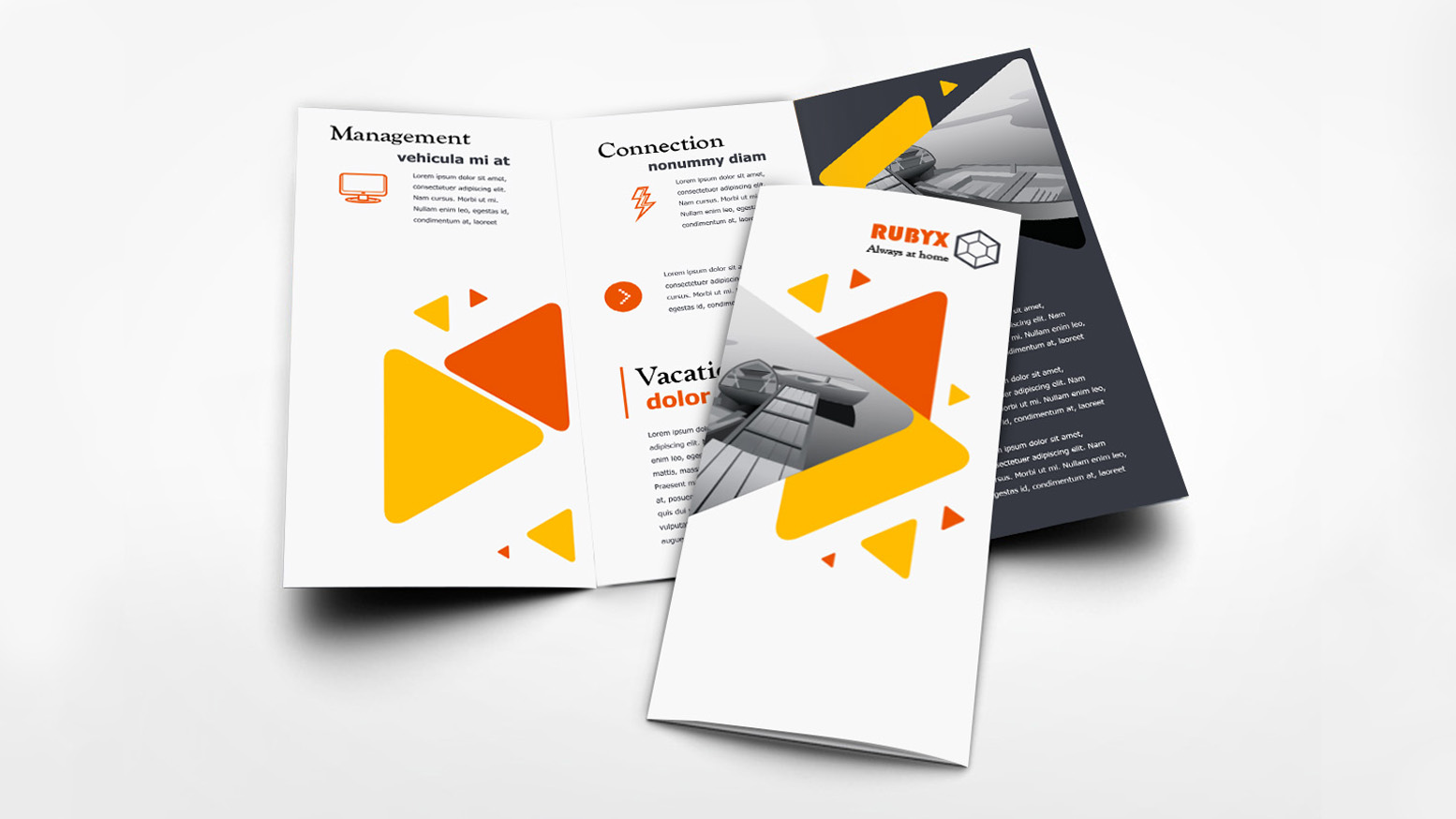
The Ultimate Brochure Paper Guide Confusing Terms Explained

What Is The Best Type Of Paper For Brochure Printing
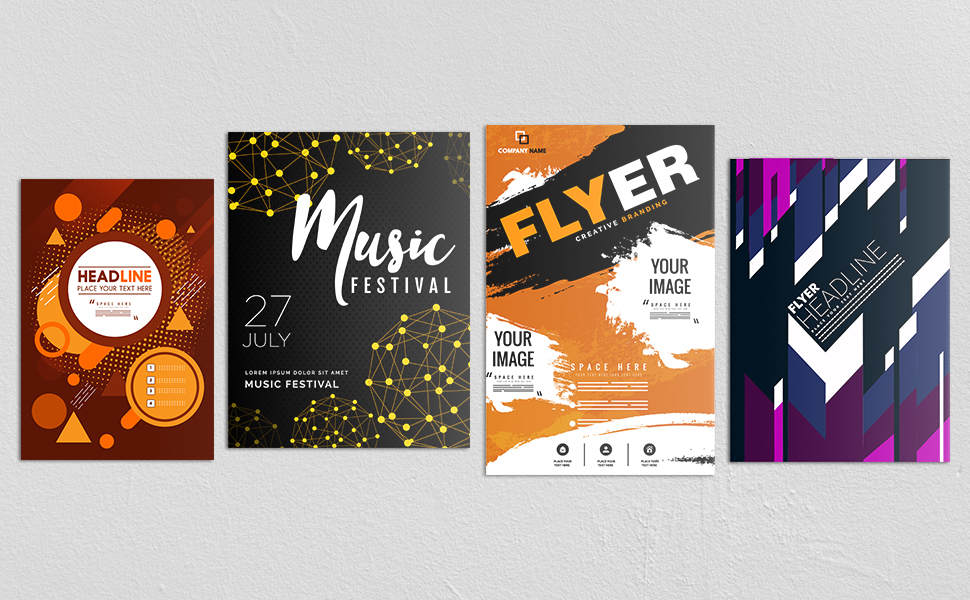
Best Paper For Flyers and Brochures Fine Cardstock
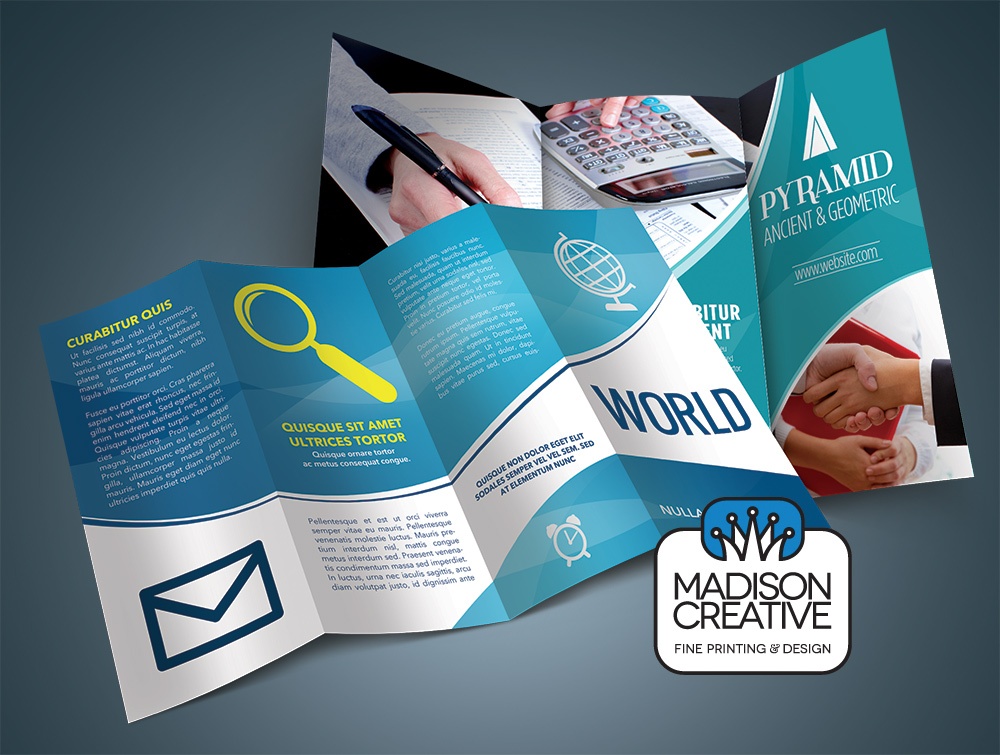
Best Brochure Printer at Joyce Hatchett blog

PPD 100 hojas de papel brillante para folleto y folleto de
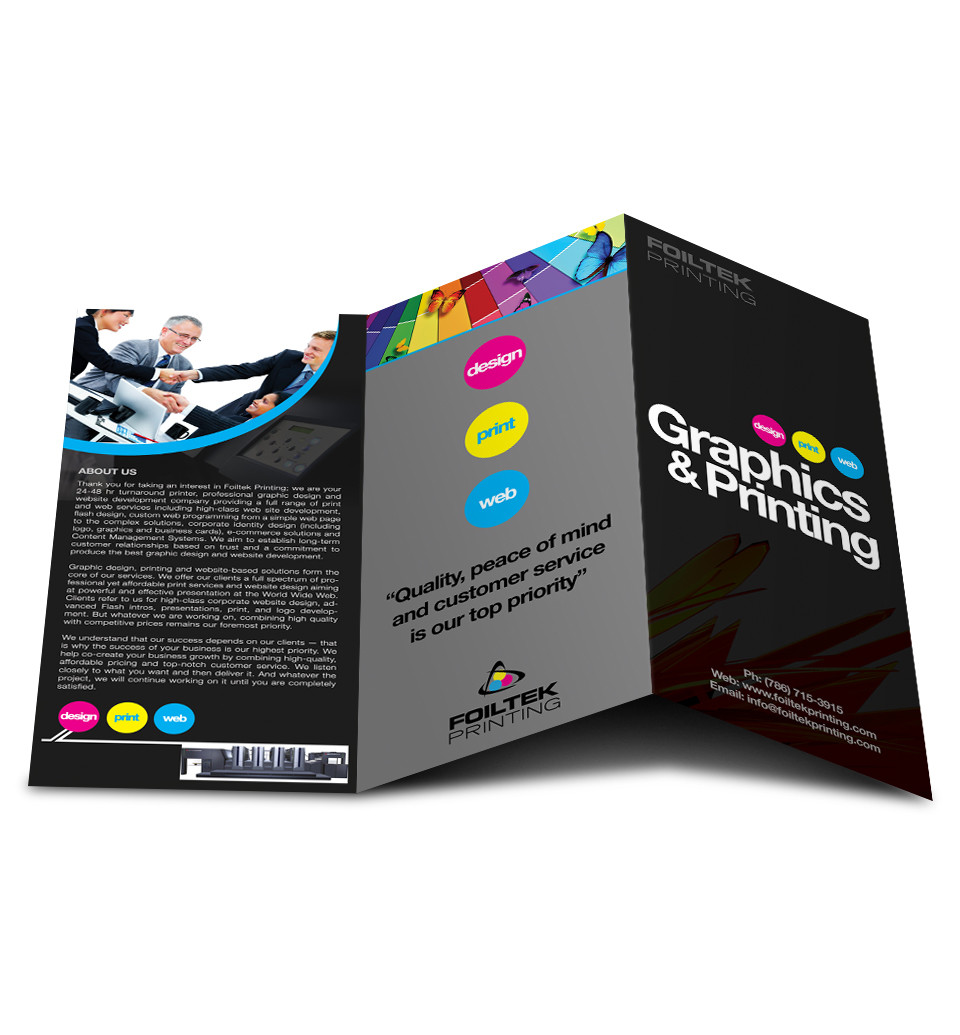
Tri Fold Brochures Full Color Brochures Cheap Brochure Printing

How to Choose the Right Paper for Brochure Printing EZ Print

Brochures Printing in Lahore Brochure print, Brochure, Large format
Everything You Need To Know To Choose Paper For Your Printed Brochure.
The Paper Is Covered With A Layer Of Coating, Which Can Be.
Luckily For You, We Have A List Of The Best Paper Weights To Use.
Coated Paper Is Most Often Used For:
Related Post: